
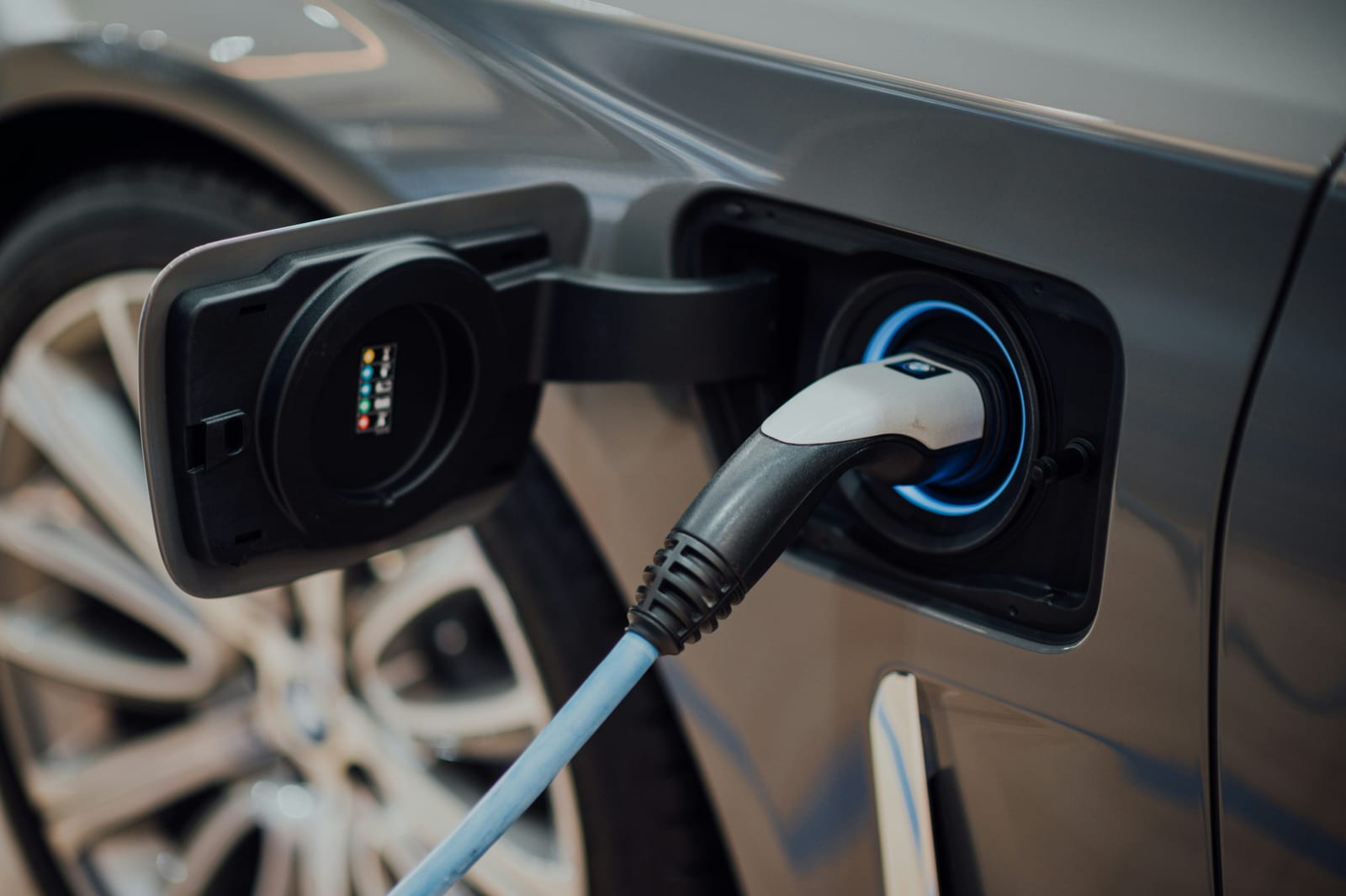
Under its first EV policy, Delhi set a four-year target of 25 percent electric vehicle registrations by 2024 and missed it by about half. Now, EV Policy 2.0 raises the target to 95 percent by 2027, coupling purchase incentives with a scrappage-linked framework.
The new policy emphasises not only on bringing EVs onto Delhi roads, but also on phasing out the existing high-emission fleet.
The policy will also introduce punitive measures, proposing a ban on the registration of new internal combustion engine (ICE) two-wheelers from April 2028. At the same time, however, purportedly as a bridge toward EV adoption, it proposes a 50 percent exemption on road tax and registration charges for strong hybrid vehicles priced up to Rs 30 lakh. Strong hybrids use both petrol and electric power. In addition, battery EVs in the same price bracket will receive a full exemption.
Meanwhile, besides purchase and registration incentives, the Rs 200 crore outlay allocates a significant share to scrappage-linked benefits for BS-IV or older petrol and diesel vehicles, with incentives for old cars going up to Rs 1 lakh.
The ambitious draft has so far received more than 700 responses since it was placed in the public domain in April. A major bone of contention is the incentive for strong hybrids, which critics say does not align with the policy’s goal of near-total electrification.
Many argue that the Delhi government should instead invest in charging infrastructure and push for the adoption of pure EVs. A concern is whether without aggressive enforcement and infrastructure delivery, the 95 percent EV adoption is realistic.
Under the 2020 policy, Delhi’s initial target of 45,000 chargers fell drastically short, achieving only about 10 percent purportedly due to bureaucratic delays, high land costs, and grid connection issues. As per reports, against a requirement of over 36,000 charging points, the city has only around 8,800 operational units — a deficit of over 27,000 chargers.
Besides building the charging infrastructure, a major concern is also whether Delhi’s power system is prepared for large-scale electrification. As EV adoption rises, local transformers will face higher loads, with peak demand rising in dense commercial and residential areas. The government will need to simultaneously work on EV charging infrastructure and the electricity distribution network to reduce the latter’s strain.
In a recent communication to the Delhi government, industry bodies have also questioned the net environmental benefit of EV adoption as purportedly around 71% of India’s electricity comes from coal-based power generation.
They also highlighted that the current domestic battery technology “is still lagging in terms of performance and safety standards with respect to Chinese cell manufacturers” and “a mandate prohibiting ICE vehicles, would be counter-productive, potentially undermining consumer welfare and broader economic stability”. Notably, India currently imports most of its lithium-ion cells, primarily from China, South Korea, and Japan, and assembles batteries domestically and the recycling ecosystem for lithium-ion batteries is also largely absent.
However, Policy 2.0 proposes setting up battery collection centres across Delhi under a public–private partnership and collaborating with authorised recyclers. Under its recycling framework, the environment department will also ensure the original equipment manufacturers’ (OEMs) compliance with the Battery Waste Management Rules, 2022.
Electric cars batteries usually need replacement after 12–14 years. With the government’s push toward EV adoption, the volume of discarded batteries is expected to increase, requiring recycling facilities, collection networks and strict regulatory oversight.


Comments (0)